Clayton Hopwood and his mother Deborah were visited by the Scottish SPCA in June 2025.
A West Lothian man has been fined £730 plus a victim surcharge and has been banned from dealing in animals for eight months. Clayton Hopwood, of Winchburgh, appeared at Livingston Sheriff Court on Thursday 12 March.
His mother, Deborah Hopwood, also of Winchburgh, was admonished. The pair pleaded guilty to failing to meet the needs of 12 cats.
Clayton also pleaded guilty to breeding kittens without the required licence.
On 18 October 2024, the Scottish SPCA Animal Helpline received a call regarding the welfare of kittens at a rural property near Winchburgh. The call came from a buyer who had purchased a kitten from Clayton Hopwood.
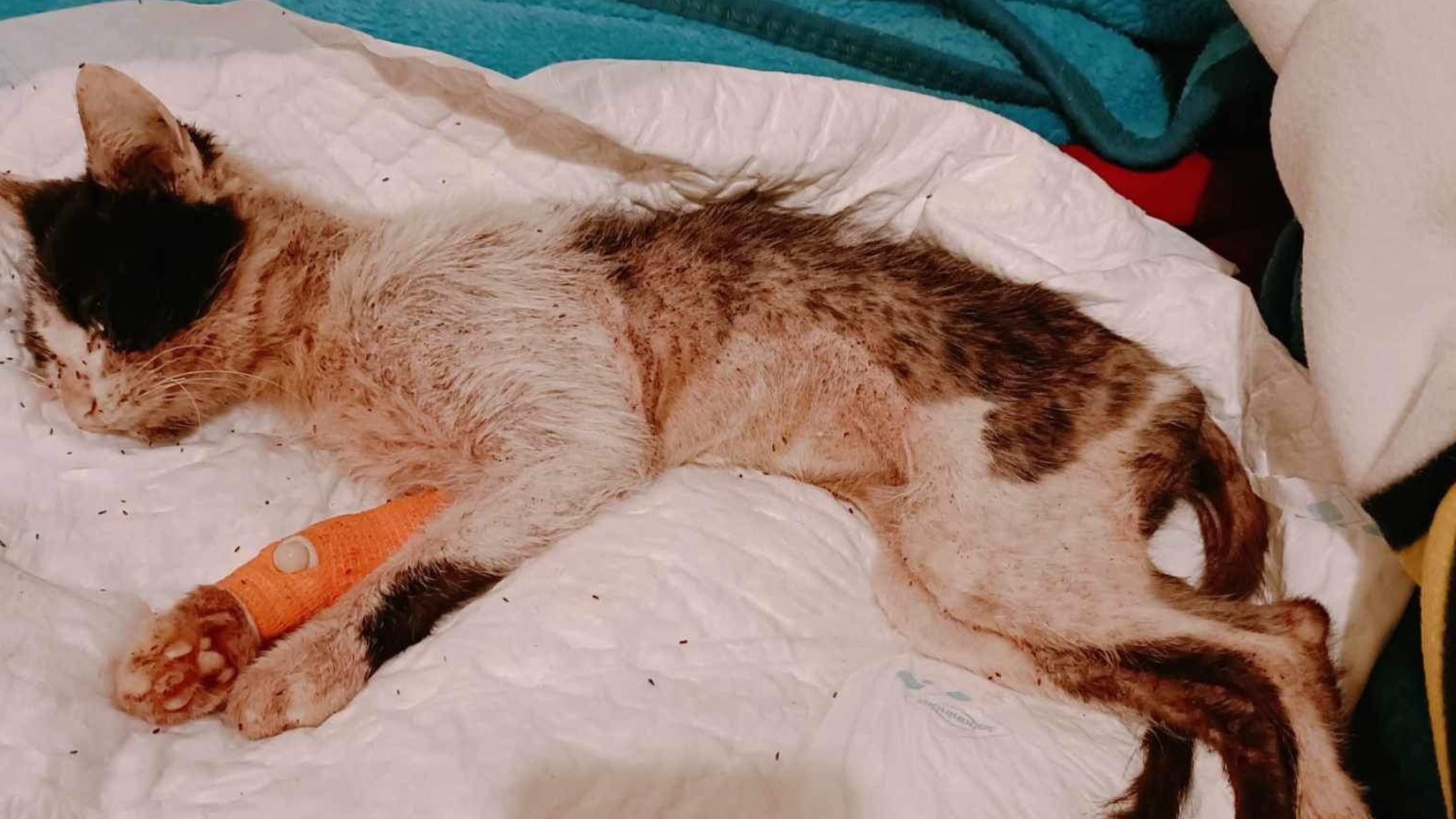
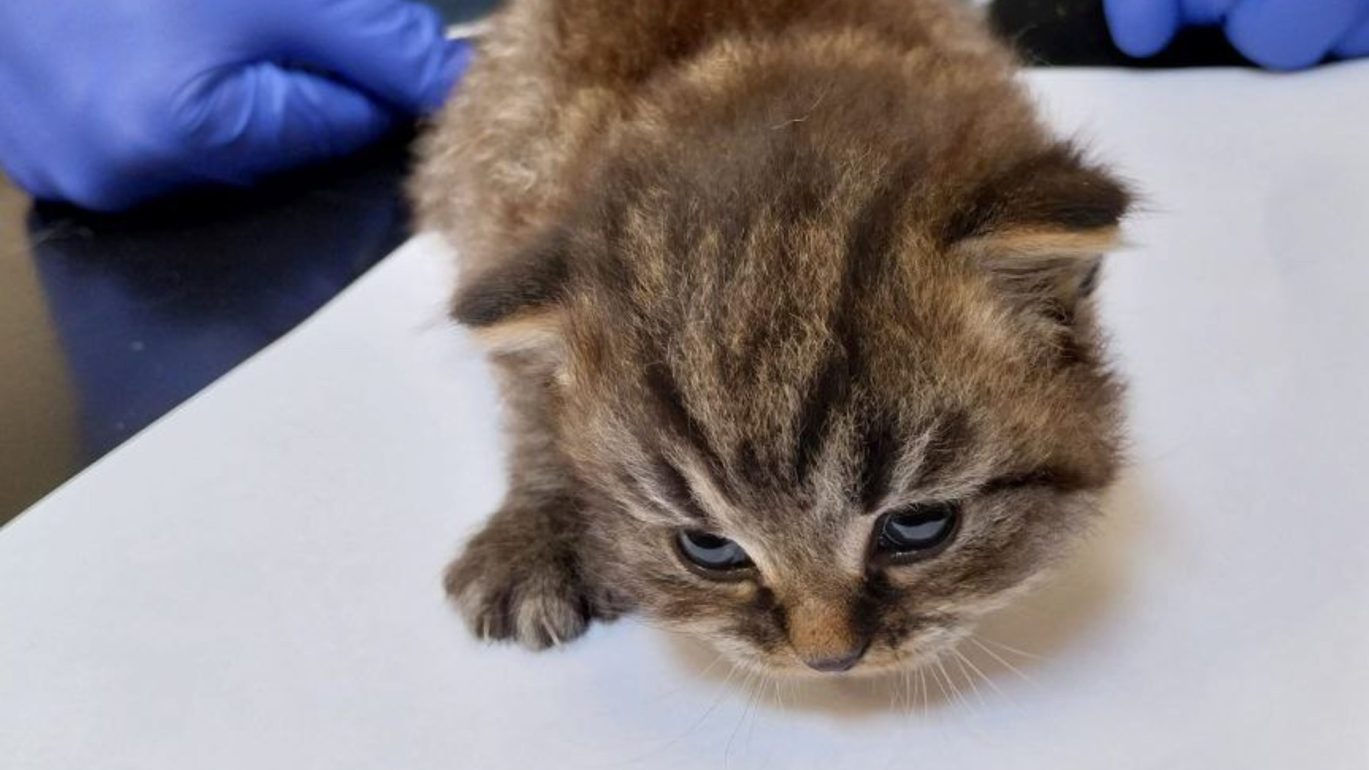
Malnourished, dehydrated and had a Body Condition Score of 1/5
All of the kittens they saw at the property appeared to have diarrhoea and smelled strongly of faeces. It became apparent hours after taking the kitten home that it was unwell and it was taken to a vet for assessment. The online advert on the Vets4Pets website had described the kittens as 15 weeks old, but the vet felt it was closer to 5 weeks old. The kitten was found to be malnourished, dehydrated and had a Body Condition Score of 1/5, indicating a severe lack of food or significant underlying disease.
A Scottish SPCA Inspector made a number of visits to the Hopwoods’ home requesting contact be made to discuss the matter. When Clayton Hopwood replied he advised that he and his mother had bred three litters of kittens that year. He added that it was mostly a hobby for them and that their business was called Glendevon Kittens. Hopwood agreed to a visit and all remaining kittens were found to be healthy at this time. An Animal Welfare Notice was issued advising Hopwood to ensure that no animal was sold when unwell and explaining the licensing and welfare requirements that breeders should meet, with any trader who breeds three or more litters a year being required to register with their local council.
The kitten that the concerned buyer had purchased sadly deteriorated in condition quickly and despite efforts of the owners and vet, had to be euthanised due to being too unwell to save.
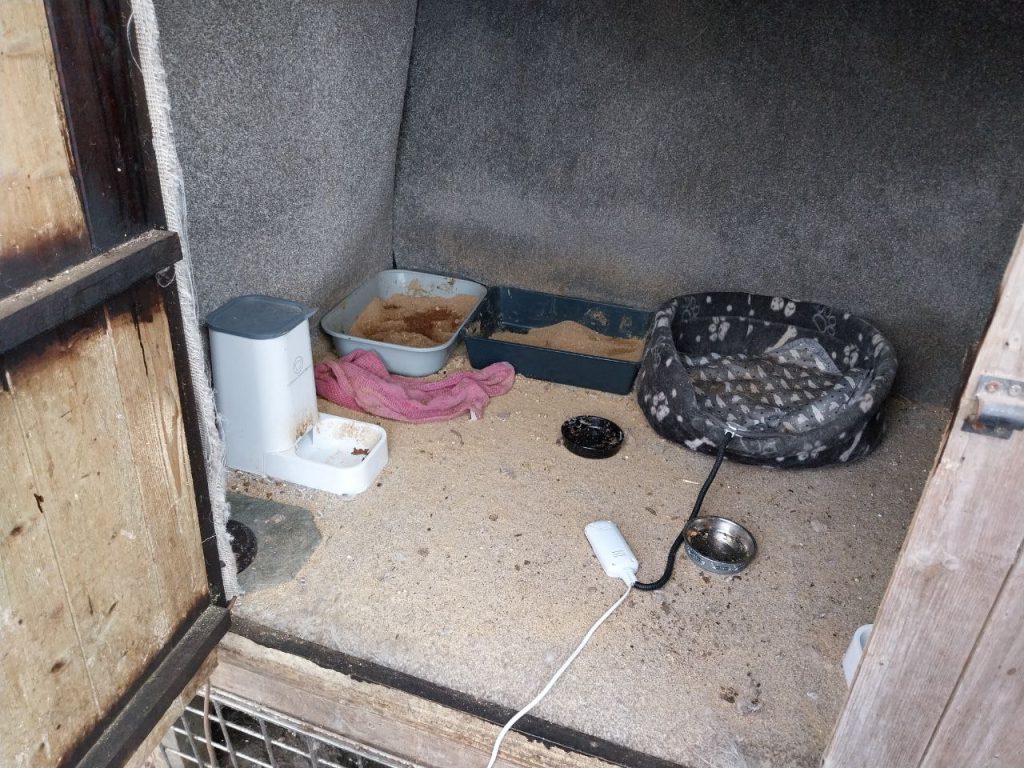
No windows allowing the animals any natural light
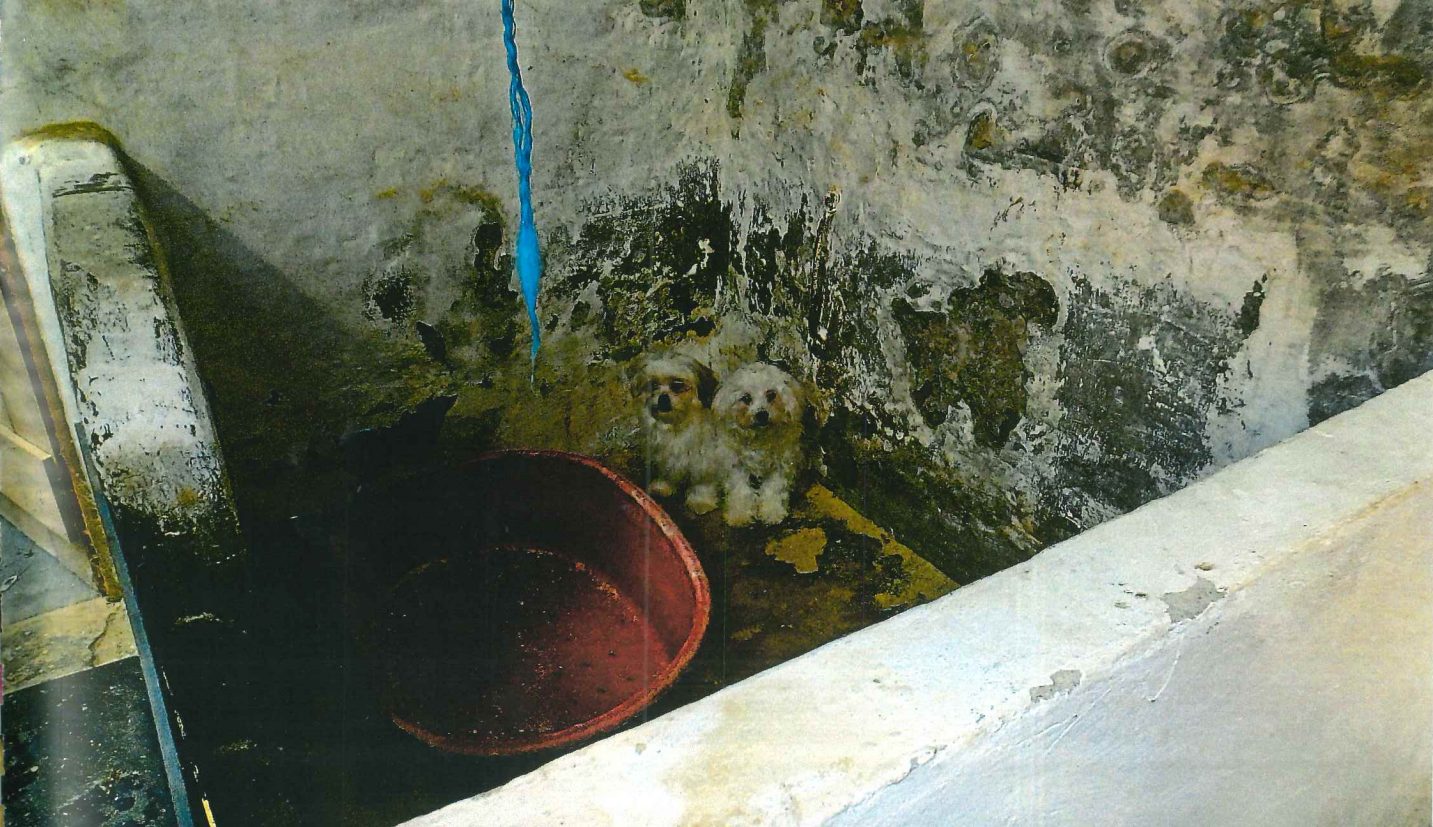
In May 2025, another call was made to the Scottish SPCA Animal Helpline by a potential buyer who flagged concerns that several litters of kittens were being advertised by Clayton Hopwood. The buyer attended and found kittens again smelling strongly of urine and faeces. The Scottish SPCA attended with a West Lothian Council Enforcement Officer and were met by Deborah Hopwood. She showed them a small dog cage which was housing one adult cat and two kittens. The litter tray inside the cage was dirty and the water bowl was empty. After initially stating that there were no more cats at the house, the Scottish SPCA found four more adult cats and a further litter of ragdoll kittens in dark, unclean and poorly ventilated sheds and chicken coops within the detached property’s spacious grounds. The smell of ammonia within the sheds was pungent and there were no windows allowing the animals any natural light.
Cats’ eyes are well adapted for seeing in the dark but it still does not justify long periods shut in a dark shed. The lack of ventilation leads to a build-up of unpleasant ammonia fumes from the soiled litter trays and would allow any respiratory pathogens to circulate easily between cats enclosed in that airspace. The space allocated to the number of cats in the sheds was barely adequate.
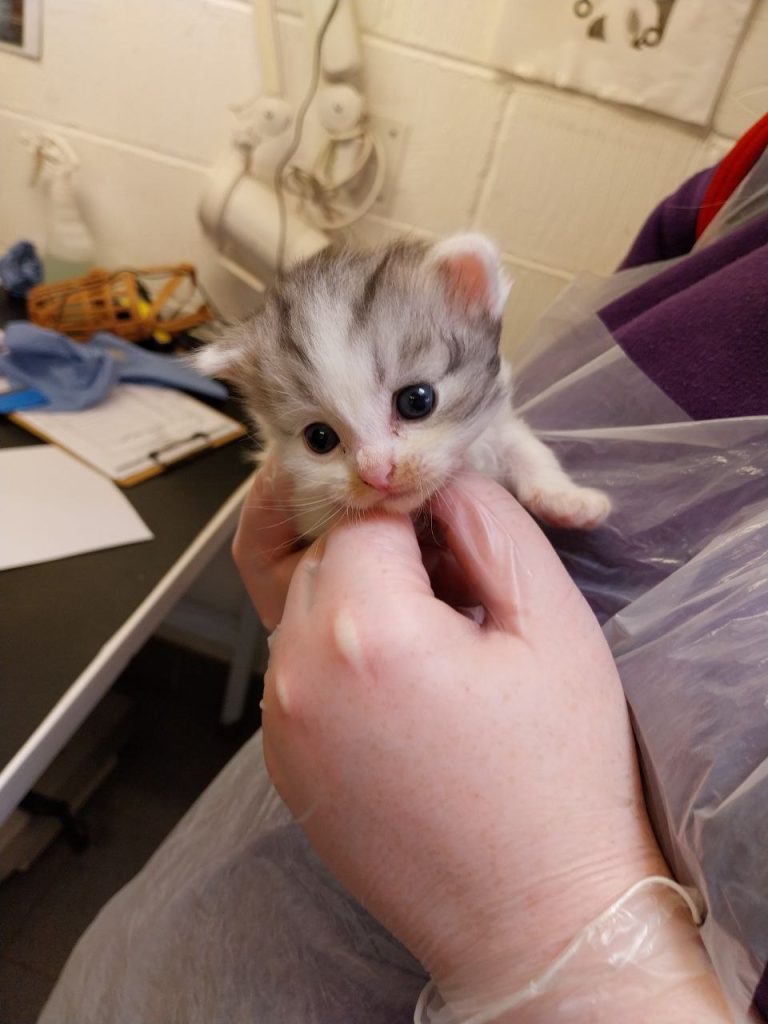
In total, 12 cats were discovered at the address, four of which were suffering from moderate to severe ear mite infestations. All the cats were taken into the care of the Scottish SPCA and have since recovered and been rehomed.
Did not appear to lack the resources to provide their animals with a good quality of life
The Scottish SPCA Inspector said: “I am very disappointed with the sentencing in this case. The Hopwood’s did not appear to lack the resources to provide their animals with a good quality of life, with ample land at their property to ensure the cats had sufficient space.
“This was a lucrative business with the pedigree kittens being advertised for more than £1,000 each. It appeared that very little of this profit was being spent on the welfare or wellbeing of the cats.
“A complete ban on owning, keeping and breeding animals would have removed the potential for this to happen again. The Hopwood’s could have bred cats to a much better welfare standard but chose to keep them in dark, dirty sheds with no human interaction or even natural light.”
Help ensure Scotland is at the forefront of animal welfare
The Scottish SPCA’s key mission is to safeguard the welfare of all of Scotland’s animals, and we are tirelessly working to also make this a top priority for parliamentarians. Our recently published Manifesto outlines four key asks which will help ensure Scotland is at the forefront of animal welfare. Delivering on these asks is crucial to prevent future harm and tackle repeat offending, which will help achieve our mission to make Scotland the best place for an animal to call home. Read our full Manifesto and sign our petition to show your support.
To report any act of cruelty, visit our Contact Us page.