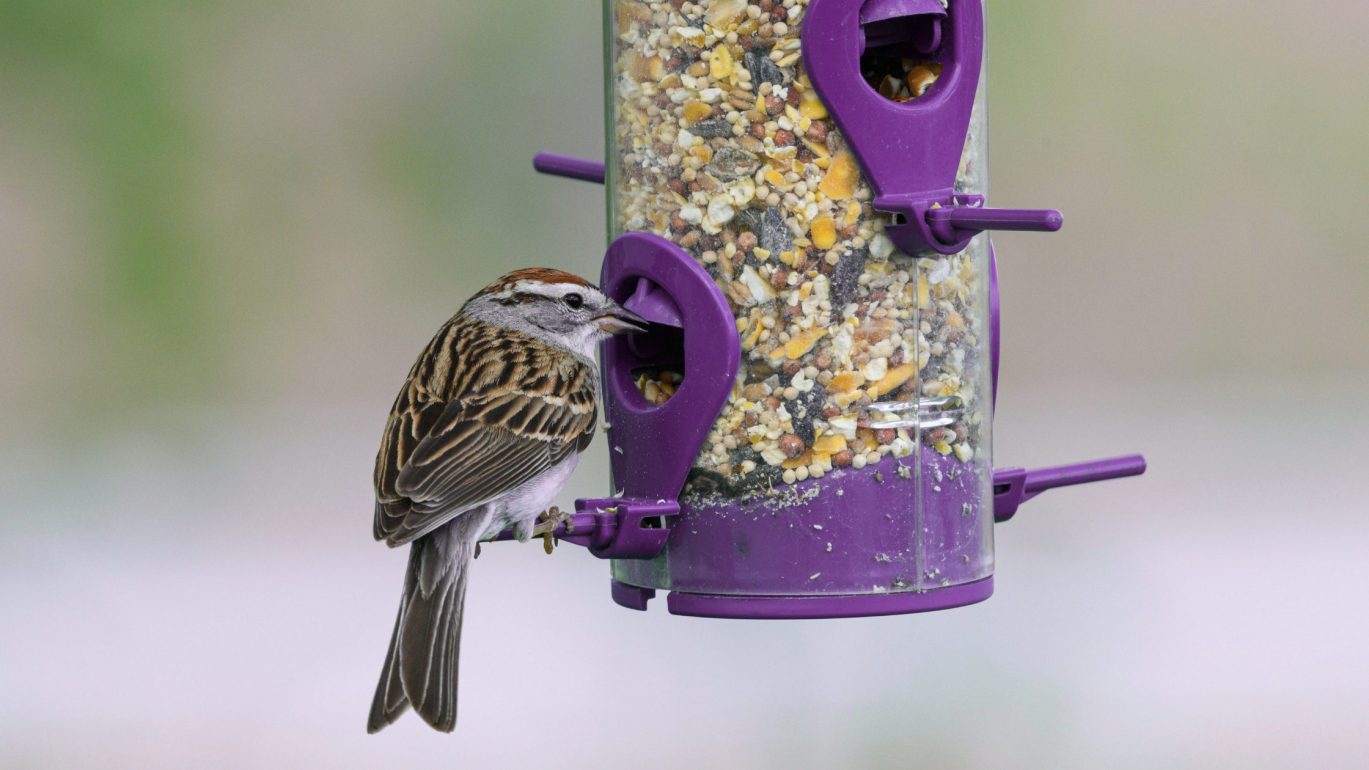
The Royal Society for the Protection of Birds (RSPB) has updated its guidance on when and what to feed garden birds following outbreaks of a disease that has led to significant declines in certain species.
The charity is urging the public to significantly reduce the amount of food they put out during the warmer months, when bird feeders can become disease hotspots.
This change follows an evidence review which found that supplementary feeding during this period can promote the spread of diseases in gardens, including the parasite trichomonosis.
The spread of this serious and often fatal disease has already contributed to major declines in garden birds such as greenfinches, whose population has dropped by more than 65% over the past three decades.
Trichomonosis spreads easily where birds gather in large numbers, such as at feeders. It affects the mouth, throat and upper digestive tract, making it difficult for birds to eat, drink or breathe.
Infected birds primarily spread the parasite through regurgitated food and saliva, both indirectly through contaminating food and water sources, and directly when feeding other birds.
Urge the public to help reduce preventable illnesses
With around 70% of the 5,550 wild animals admitted every year to the Scottish SPCA’s National Wildlife Rescue Centre being birds, we are urging the public to follow the updated feeding guidance to help reduce preventable illnesses.
A Scottish SPCA spokesperson, said: “Our Animal Rescue Officers and wildlife rescue centre regularly see high numbers of bird with trichomonas in the summer months with various degrees of severity. The guidance, designed to reduce bird density at feeding stations and improve hygiene practices, is an important factor in reducing the spread of the disease in birds. “
From 1 May to 31 October, the RSPB advises people to cut down on the food put out to small amounts of mealworms, fat balls or suet. However, during the colder months, from 1 November to 30 April, people can resume feeding birds a full range of foods, including seeds and peanuts.
Feed seasonally, feed safely
The new stronger guidance ‘Feed seasonally. Feed safely’ recommends cleaning bird feeders and water baths at least once a week to remove old food and droppings. The charity is also stressing to only offer bird baths if you can refill it every day with fresh tap water.
Feeders should be moved regularly to prevent a build-up of contaminated debris underneath. If using multiple feeders, they should be spaced apart to avoid large gatherings of birds and reduce mixing between species
Feeders should not be placed under areas where birds roost, such as trees. The RSPB also advises against using flat-surface feeders, including bird tables and window feeders, as these increase the risk of disease spread. Birds affected by trichomonosis often have difficulty swallowing food, so they regurgitate contaminated food back on to the flat surface where it is then available for healthy birds to pick up. Even daily feeder cleaning will not prevent healthy birds from ingesting previously regurgitated food.
Food should be provided in moderation. Ideally, all food offered should be eaten within two days. It should also be kept as dry as possible as damp food encourages the survival and spread of disease.
Support birds long-term with bird-friendly plants
To support birds in the long term, people are encouraged to fill gardens with bird-friendly plants such as sunflowers, teasel and ivy. This will help birds learn how to find natural food sources on their own.
The Scottish SPCA is urging anyone who has bird feeders to follow the updated guidance to help protect Scotland’s bird populations. These changes aim to reduce avoidable deaths and help stop the continued decline in garden birds.
If you discover a sick animal don’t touch it at first and please read our advice on the Wildlife Rescue pages. If you can’t find what you’re looking for, please call our Animal Helpline on 03000 999 999.
If you do need to touch the animal to move it to safety, wear gloves and wash your hands thoroughly afterwards.
Help us safeguard the welfare of all of Scotland’s animals
The Scottish SPCA’s key mission is to safeguard the welfare of all of Scotland’s animals, and we are tirelessly working to also make this a top priority for parliamentarians. Our recently published Manifesto outlines four key asks which will help ensure Scotland is at the forefront of animal welfare. Delivering on these asks is crucial to prevent future harm and tackle repeat offending, which will help achieve our mission to make Scotland the best place for an animal to call home. Read our full Manifesto and sign our petition to show your support.
To report a concern of cruelty, visit the Scottish SPCA website.