


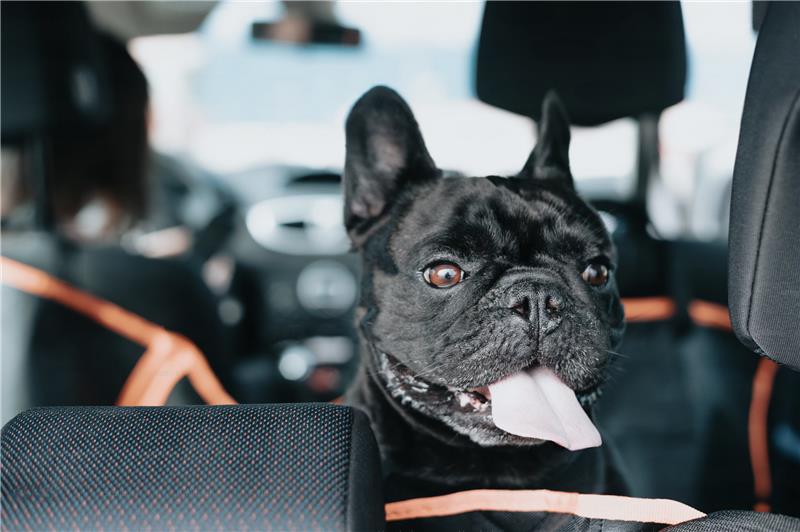
Dogs Die in Hot Cars
Leaving an animal in a hot car can have fatal consequences and lead to prosecution.
Don’t risk it.
Whether you are nipping to the shop or going out for a few hours, it is not worth taking the chance.
Dogs in hot cars can overheat in minutes.
Even in the shade, temperatures can rise very quickly inside a vehicle. Leaving a bowl of water or leaving the window open is not enough to prevent your pet suffering from heat stroke or cardiac arrest.
No dog should be left at risk. However it’s important to remember that some dogs are more prone to heatstroke than others. If your pet is very old or very young, if they have a thick, heavy coat or if they have short, flat faces, they are more vulnerable to the effects of heatstroke. There are also certain conditions and medications that may also make your dog more vulnerable.
The best way to avoid heat stroke or worse is to not risk it.
What are the signs of heatstroke in a dog?
If you start to suspect signs of heatstroke in a dog, it’s important you act quickly.
Signs of heatstroke may include:
- Heavy panting
Breathing issues - Excessive drooling
- Lethargy
- Loss of coordination
- Vomiting
- Collapsing
What to do if you have concerns about a dog in a car on a hot day
If a dog looks distressed or is showing signs of heatstroke, Police Scotland on 999.
Whilst waiting, please follow the steps as outlined below:
1) Try to work out how long the dog has been left in the car. If there is a “pay and display” ticket visible, this may help.
2) Record the car model, colour, registration and where the vehicle is currently located.
3) If the car is parked at a supermarket or shopping centre, then ask for a broadcast to be put out asking for the owner to return to their car.
4) Take the names and numbers of any witnesses.
5) Take photos and videos of the dog and the car.
Even if the animal is not showing any signs of being in distress, temperatures in vehicles can quickly rise. We recommend following this advice above and make sure that you, or someone else, stays with the dog to monitor their condition.
If the owner is not located and the animal does not appear distressed, but you still have concerns, please contact Police Scotland on 1010 and provide the details you have taken.
The dog is now free from the car – what should I do next?
If the dog is showing any signs of heatstroke, then they need to be seen by a vet urgently. Before moving them, you should cool your dog down as quickly as possible.
Firstly, do the following:
1) Pour very cold water on them or immerse them in very cold water. If immersing them, ensure you keep their head above water and safely get them out again once they are wet.
2) Move your dog to a cool, shared or air conditioned area and get someone to start cooling the car down.
3) Let your vet know that you are on your way with a suspected heat stroke case so they can prepare for your arrival.
4) Keep your dog cool by placing very cold, wet towels on their groin, armpits and neck.
Important: Do not place wet towels over the dog as this can trap in the heat.
The water you use to cool down your dog should be as cold as possible. Ice cold water will not cause cold shock to a dog in heat stroke. This is a myth that is not supported by evidence from human medicine. See this article by Vet Voices for more information.
Once your dog is cooled, please take them to a nearby vet as a matter of urgency.
We also recommend you avoid pouring water on their head and do not let water run into their mouth. If they are panting and they inhale the water, this could lead to drowning. If they are conscious and able to do so, offer them a small amount of cool water to drink.
If the owner was located, they must take their dog to the vets as soon as possible.
If the owner was not located, please take their dog to a nearby vet as a matter of urgency.
If you remove the dog from the area, please alert the Scottish SPCA and Police Scotland that you are doing so and let them know where you intend to take the dog.
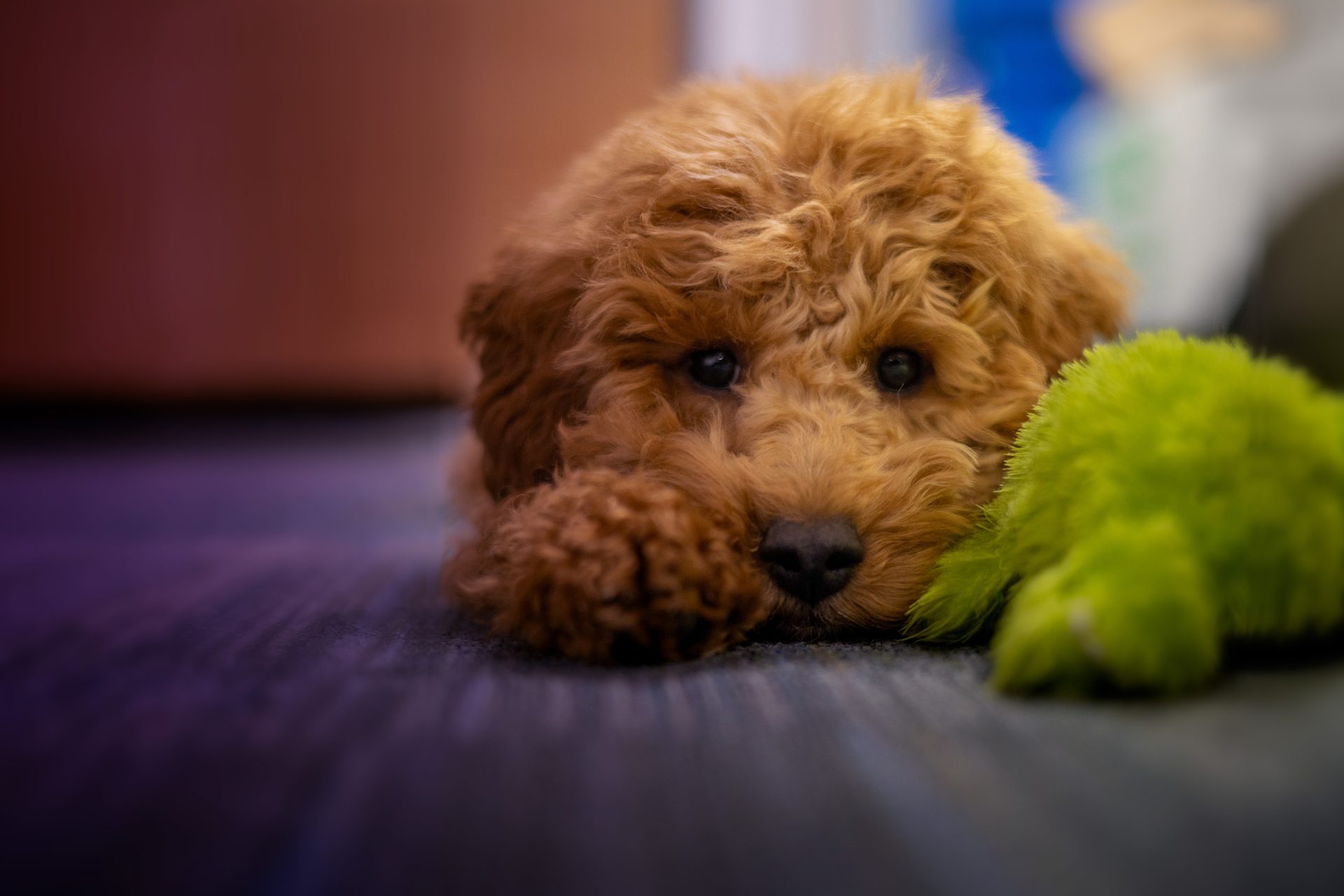
We can’t rescue without donations
It costs us £58,000 every day to continue the work that animals across Scotland depend on. Our work is only possible because of the generosity of people like you.
