To mark Safer Internet Day, the Scottish SPCA is sounding the alarm as animal abuse content continues to spread online, putting animals and young people at risk.
The Scottish SPCA is warning that the scale of animal abuse content circulating online is shocking, as it urges the Scottish Government to urgently update the Animal Welfare (Scotland) Act 2006 to protect animals from modern forms of cruelty.
The charity is calling attention to Safer Internet Day as online animal abuse continues to spread across social media platforms, current legislation is failing to keep pace with emerging trends – including the sharing of abuse footage and the online trade of animals.
The true volume of content is far greater than what’s reported
Between 2024 and 2025, more than 1,400 individual images and videos depicting animal abuse were reported by clients to the online safety charity South West Grid for Learning (SWGfL). While 5% of cases reported to SWGfL in 2025 involved animal cruelty, the charity warned a single report often involved multiple separate images or videos, meaning the true volume of harmful content is far greater.
Further evidence of the problem comes from the 2025 Animal Kindness Index, produced by the RSPCA, Scottish SPCA and USPCA, which found that one in five adults in Scotland have witnessed animal cruelty online.
The survey also revealed that 31% of children in Scotland believe sharing animal cruelty online is becoming more common, with abuse content frequently appearing on platforms such as Facebook, TikTok and YouTube.
While the UK’s Online Safety Act marked a significant step forward in tackling the spread of this heartless material, the Scottish SPCA warns that many cases continue to slip through the cracks, leaving animals at risk.
Online cruelty is not victimless
Nicola Strachan, Head of Advocacy & Strategic Partnerships at The Scottish SPCA, said: “Online cruelty is not victimless, it causes real, often extreme suffering to animals and can have a deeply damaging impact on those who see it, particularly children. Animal abuse content is being created and shared at an alarming scale, yet Scotland’s animal welfare laws have not kept pace with how cruelty occurs in the digital age.
“If we are serious about protecting animals in today’s digital world, the Animal Health and Welfare (Scotland) Act must be reviewed so it can effectively address online-enabled cruelty and give enforcement agencies the tools they need to act.”
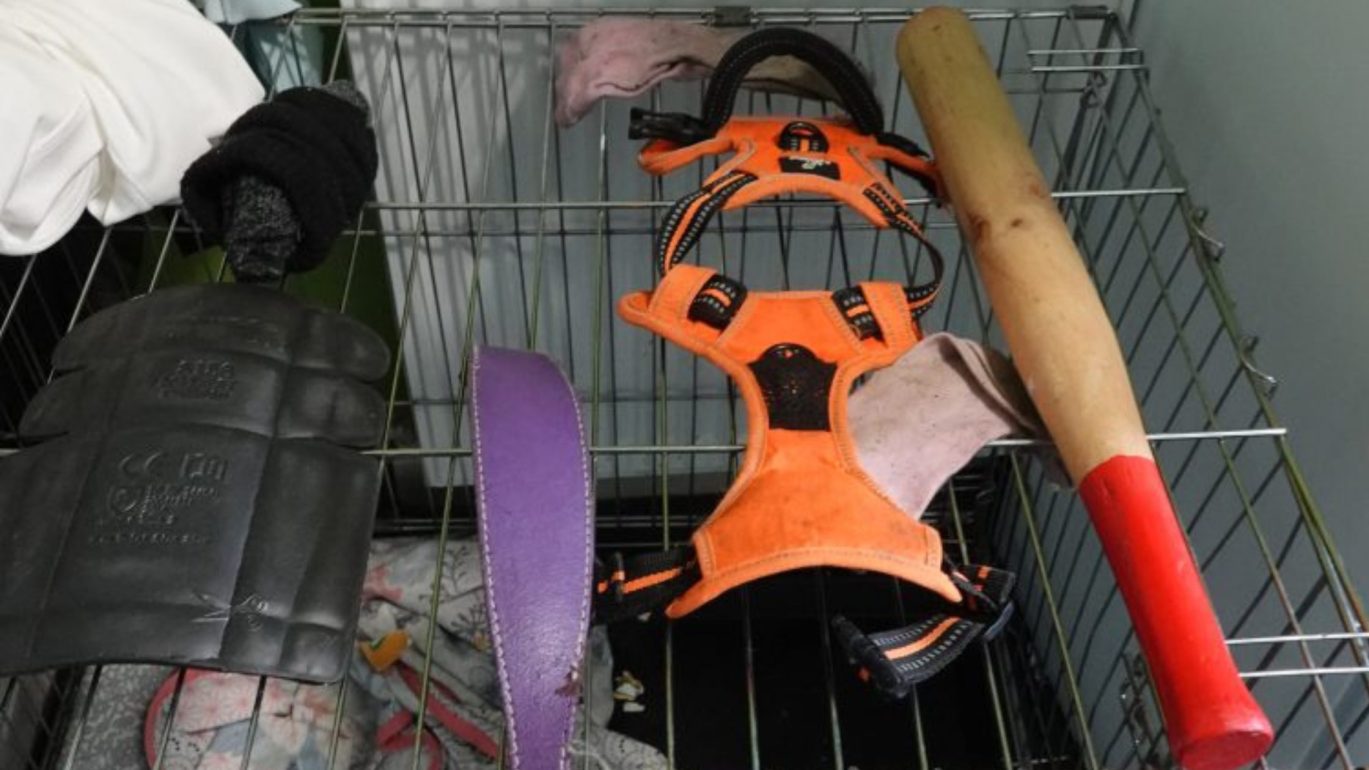
Scottish SPCA inspectors are increasingly dealing with severe and distressing cases linked to online activity. In September last year, John Dysart, from Alloa, was sentenced to ten months in prison and given a lifetime ban on owning or keeping animals after filming and distributing videos of his dogs fighting. The deeply distressing footage showed his lurcher-type dogs, Dot and Sky, tearing a cat apart.
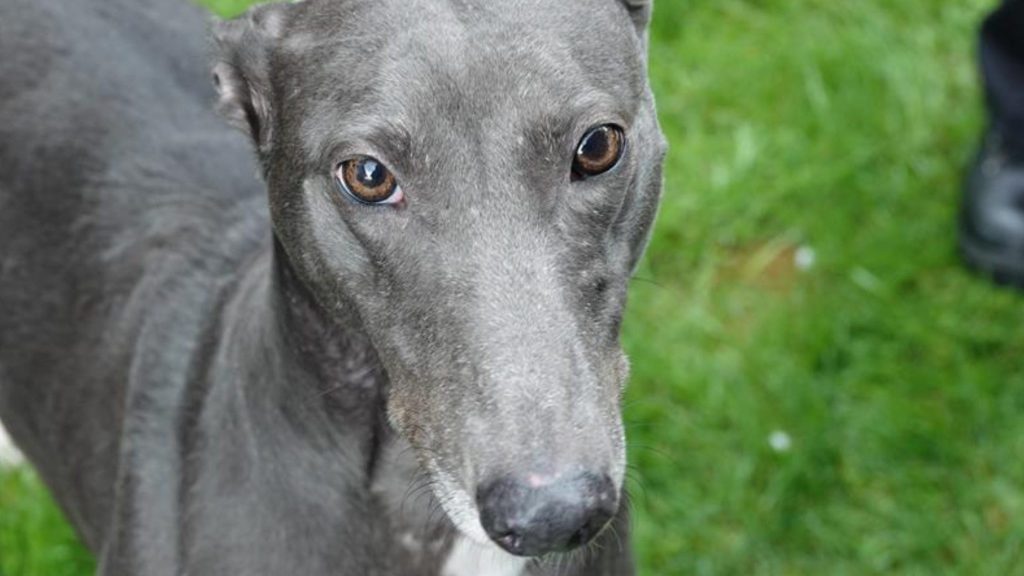
A Scottish SPCA inspector described the case as “some of the worst, most deliberate cruelty we have encountered”.
Unfortunately, despite this conviction, many animals will continue to fall under the radar as Scotland’s primary animal welfare legislation was drafted long before social media and online abuse existed in their current form.
*Dysart has an outstanding court matter which is active for the purposes of contempt.
Hayley Laskey, Senior Report Harmful Content & Revenge Porn Helpline Practitioner at SWGfL said: “Report Harmful Content has seen first-hand the growing volume of animal abuse content circulating online. These images and videos are not only cruel and distressing, but they also normalise violence against animals and encourage continued online sharing.
Work together to stop the spread of this content
“We urge tech companies, policymakers, and the public to work together to stop the spread of this content. If you have experienced animal abuse content online, you can report it at reportharmfulcontent.com.”
The spread of animal abuse content is a serious concern. For young people who have grown up online, repeated exposure to this horrendous footage on social media risks them becoming desensitised to cruelty and in turn increasing the likelihood of harm towards animals.
Cyber Security and Online Safety leader, Dr Chelsea Jarvie, said: “The extreme violence and cruelty against animals we’ve seen in these cases doesn’t just harm the animals involved, it has a ripple effect on anyone who is exposed to the content produced, including children.
She continued: “Safer Internet Day is a reminder that we need stronger measures, including better age assurance, so that harmful content is taken down more quickly and is less likely to reach young people.
“Algorithm-driven content feeds can override sensible age-appropriate boundaries. To prevent wider viewing and psychological distress caused by this kind of cruelty, we need to do more to stop harmful content spreading online.”
Review the Animal Health and Welfare (Scotland) Act 2006 to make sure it deals with today’s issues
The Scottish SPCA is calling on the Scottish Government to review the Animal Health and Welfare (Scotland) Act 2006 to make sure it deals with today’s issues including online-enabled cruelty as part of its newly launched manifesto.
For any legislative change to be effective, it must be developed collaboratively with the Scottish SPCA, veterinary professionals, animal welfare organisations, enforcement bodies and online platforms, to ensure legal guidance and sentencing frameworks are fit for purpose.
To read the full manifesto, visit our website.
To report any act of cruelty, visit our Contact Us page.