An Ayrshire couple has been disqualified from keeping or owning more than one dog for five years following the seizure of 33 dogs as part of a five-year puppy dealing investigation by the Scottish SPCA.
Stephen and Hazel Hamilton of Newmilns, East Ayrshire, were also each made subject of a community payback and ordered to carry out 200 hours of unpaid work over a period of 12 months. The couple were sentenced on 26 January 2026 at Kilmarnock Sheriff Court.
The husband and wife pled guilty to animal neglect charges at Kilmarnock Sheriff Court on 13 December 2023. The couple also pled guilty to failing to meet the needs of a number of dogs on the premises and failing to provide veterinary treatment for some of them, which led to pain and suffering for the animals.
The Scottish SPCA worked tirelessly for 5 years to bring the Hamiltons to justice.
Stephen Hamilton is originally from Northern Ireland where his family run large-scale dog breeding business, the UK Dog Breeding Academy, formerly known as Furnish Kennels.
A Scottish SPCA Special Investigation Unit Inspector said: “On Friday 27 November 2020, warrants to search two of the Hamiltons’ properties were executed simultaneously.
Profit is prioritised over wellbeing
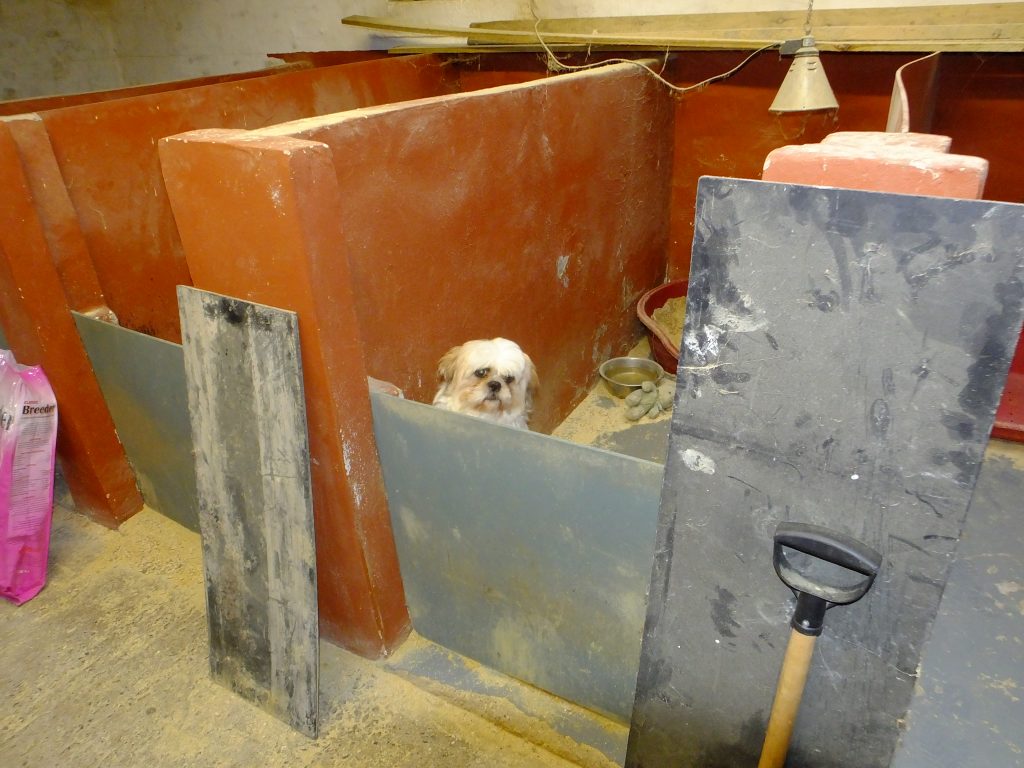
“Inspection of the premises showed signs of a regime consistent with puppy farming, where there is a large turnover of animals and profit is prioritised over wellbeing.
“Inspectors searching the secondary property uncovered evidence that puppies were being sold from a ‘show living room’.
“The primary site was heavily fortified with large electronic gates and CCTV cameras.
“When asked if there were any dogs on the premises, Mrs Hamilton claimed that there was only one litter of puppies and three or four other dogs which were pets.
“In total, 32 dogs were found on the property. The large volume of animals made it evident to inspectors that the Hamilton’s were running a breeding facility.
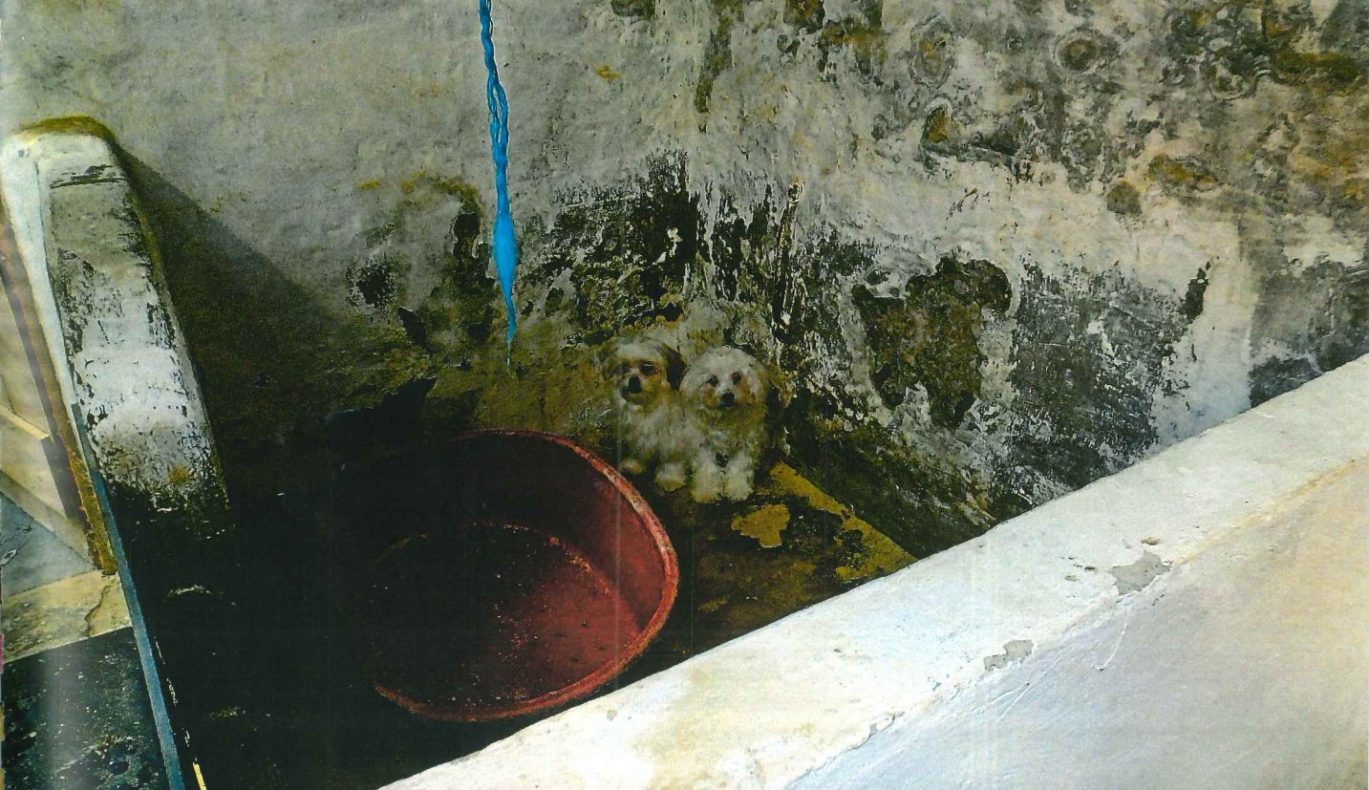
“Within the kennel blocks, plastic dog beds and fouled carpet were provided instead of adequate bedding. This offered little to no comfort to the dogs and puppies.
Terrified and cowered in a corner
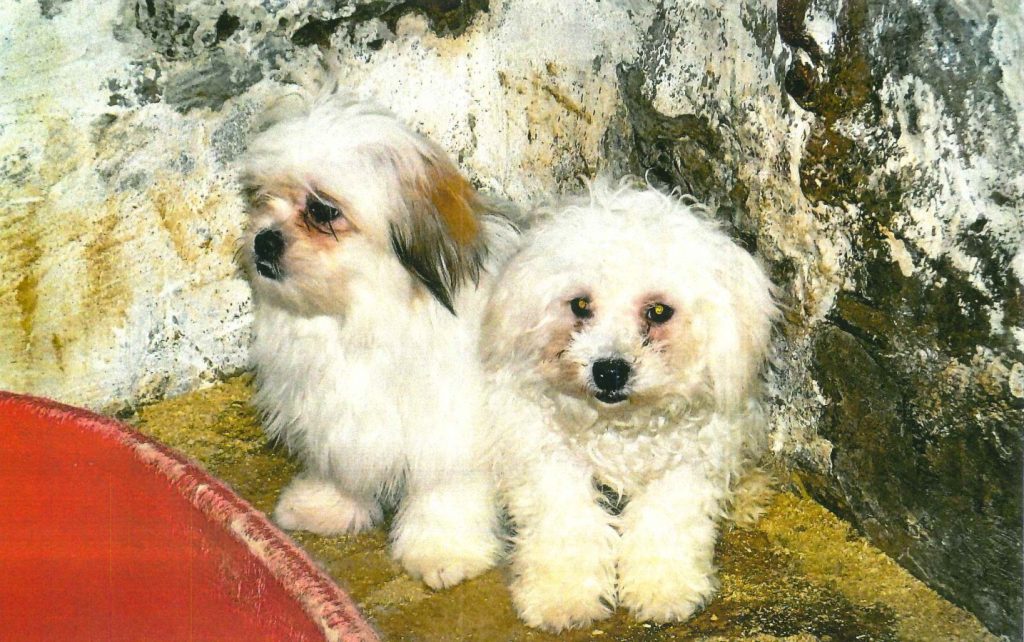
“A number of the dogs appeared to be terrified and cowered in a corner when approached, which was a strong indication that the dogs had received little interaction or socialisation.
“The enclosures were covered in faeces and several of the animals were found to be suffering from untreated medical issues as well as parasites.
“A search uncovered syringes, microchips and two unauthorised parasite medications meant only for cattle, sheep and pigs. Investigators also found needles which were later revealed to have the DNA of multiple dogs on them.
“The large number of animals and the deplorable conditions they were in meant there was a real potential for the spread of disease. All animals were therefore removed immediately and taken into the care of the Scottish SPCA as there was an immediate concern for their welfare.
“As part of this case there were multiple complainers who had purchased puppies from the Hamiltons at different properties. Through investigation, it was established that some of the microchips implanted in the pups had been purchased by Furnish Kennels.
“These animals have suffered horrendously, both physically and psychologically, over a long period of time with little socialisation and human contact. This case is a real blow to the trade, and we are pleased this has finally concluded.
We respect the sheriff’s decision but feel disappointed that harsher punishment wasn’t imposed. We believe the offences were serious enough for a custodial sentencing and a lifetime ban on owning and keeping animals. A 5-year ban will not be a deterrent for those who are involved in the low-welfare puppy trade.
“The Scottish SPCA is calling for a National Animals Offenders Register to be introduced, but for it to be effective, stronger punishments that are in line with the crimes committed must be imposed. A register’s power to prevent further harm is significantly limited if appropriate sentencing is not given.
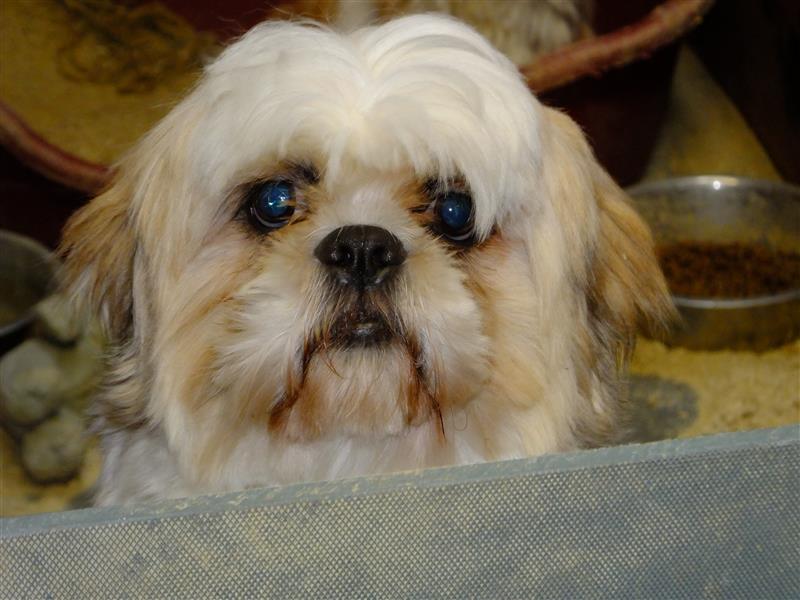
“Smuggled pups often look fine when they are purchased, but problems will begin to show at a later stage.
Do not buy online or from someone where it is impossible to verify where the dog is coming from
“Our message to the public is do not buy online or from someone where it is impossible to verify where the dog is coming from. The only way puppy farms will disappear, and people like the Hamilton’s will stop profiteering at the expense of intensively bred dogs, is if public demand stops.
“Anyone considering buying a puppy should research the potential breeder carefully, as unauthorised breeding can have a significant impact on the welfare of all dogs involved.
“If you have purchased a puppy who shows any signs of illness or distress please take them to a vet immediately.”
Anne Marie Hicks, Procurator Fiscal for North Strathclyde, said:
“Stephen and Hazel Hamilton demonstrated an appalling disregard for the well-being of animals in their care.
“Some of these dogs endured terrible cruelty and the conditions they were being kept in were shocking.
“This was a case of indiscriminate neglect where animals were subjected to suffering and pain.”
To report any act of cruelty, visit the Scottish SPCA website here.