


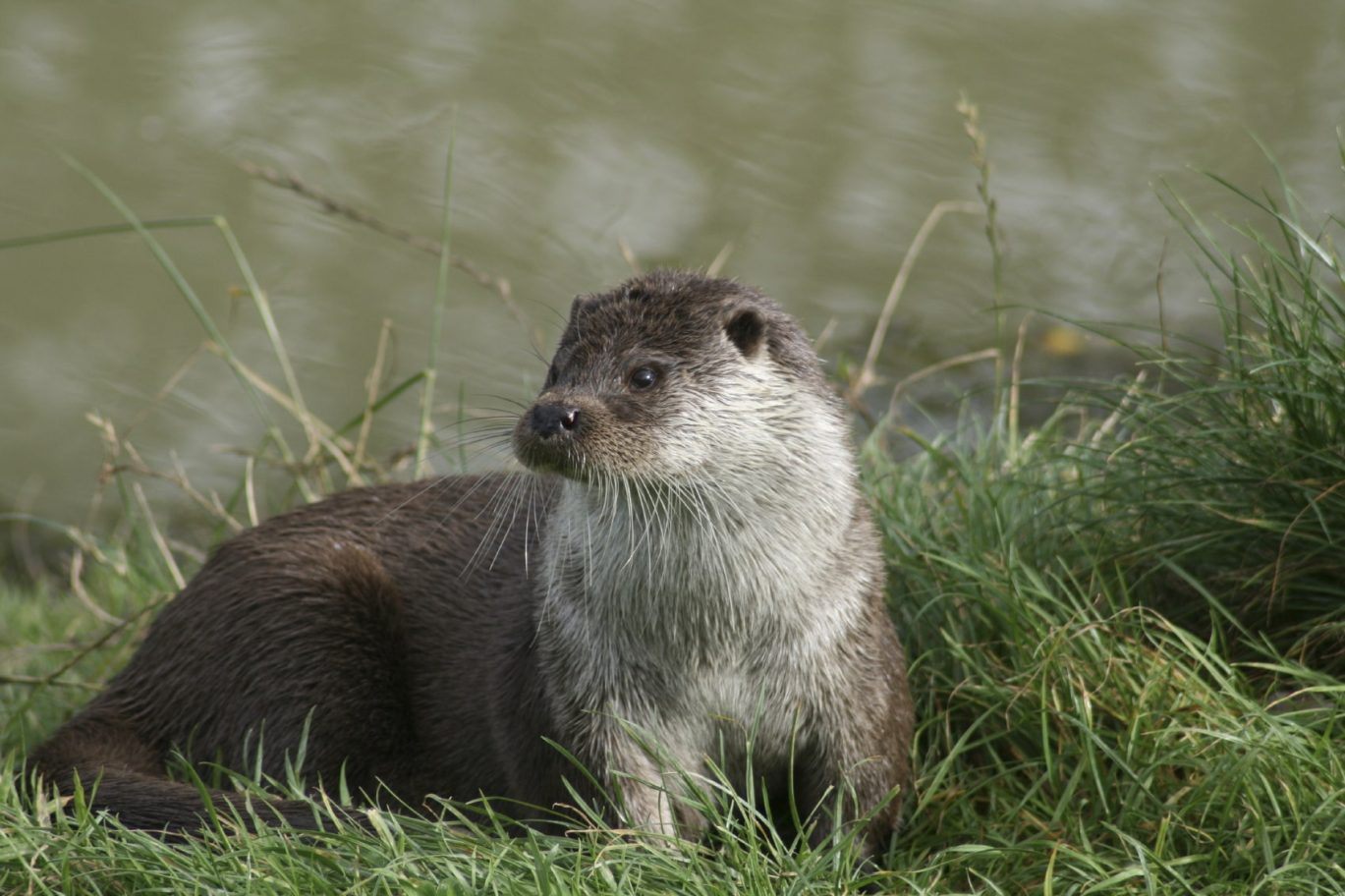
Otter
Learning about otters: from where they live and what they eat to the challenges they face
Thanks to our clean waterways, Scotland is home to a high proportion of the UK’s otter population.
Whilst numbers are recovering well, otters can still be difficult to spot. These semi-aquatic mammals spend most of their time in the water and shelter in holts which are normally caves, burrows or holes. Otters are not specifically nocturnal but they are typically more active at night.
Where otters live
Otters can be found across Scotland but are most common along the western coast and on islands. Since they spend a lot of time in the water, otters are found on the shores of rivers, lochs and waterways or in coastal areas.
Those living by the coast are sometimes called ‘sea otters’ but they are exactly the same species as the animals that live further inland.
What otters eat
Otters need to eat at least a kilo of food per day and get most of their meals from the water.
Their strong swimming abilty, waterproof fur, rudder-like tail and webbed feet make them brilliant aquatic hunters. They typically feed on fish, amphibians and crustaceans. Ocassionally, they will also prey on birds and mammals.
That’s wild!
Otters are natural born swimmers; they have webbed feet, dense fur to keep them warm and can close their ears and nose when underwater!
When otter cubs are born
Otters are mostly solitary creatures except when they come together to breed. They can mate at any time of year but most cubs are born between May and August. After nine weeks of pregnancy, females give birth to two or three cubs. They are born blind with short grey fur.
Female otters raise their cubs without help from the male. After around 10 weeks, a mother takes her young out of the holt for the first time, and a few weeks later they venture into the water for their first swim. Cubs will stay with their mother until they are old enough to thrive in the wild without her protection and adults can then live up to 10 years old.
Protecting otters
Otters are a protected species; it is an offence to deliberately or recklessly harass, capture, injure or kill them.
It is also an offence to disturb, damage or destroy a breeding site or resting place of an otter or obstruct their access, whether or not an otter is present.
Common problems otters face
Snares and traps
In 2024, after 30 years of campaigning, a ban on glue traps and snares was finally introduced by the Scottish Government with the update to the Wildlife Management and Muirburn (Scotland) Act 2024 (opens in new window).
Otters sometimes get caught in snares and traps which have been legally set. It is illegal for anyone to tamper with a legally-set snare or trap so we would ask the public not to attempt this. If you suspect a device is set illegally, call our helpline immediately on 03000 999 999.
Orphaned otter cubs
If a baby otter’s mother is killed or scared off, the cub will not be able to fend for itself in the wild.
Should you come across an otter cub that’s calling for their mother, monitor them from a distance so long as the cub is in a safe place. If the mother does not return within an hour or two, or before dark, call our helpline on 03000 999 999.
Road traffic accidents
Sadly, most otter mortalities in Scotland are caused by road traffic accidents. If you come across a dead otter which has been killed in a road collision, your local council will be able to safely uplift the body. If the otter is injured, contact our helpline immediately on 03000 999 999.
Any otter fatalities should be reported to the International Otter Survival Fund (IOSF).
Sick or injured otters
If you come across an injured or sick otter, contact our helpline on 03000 999 999.
Signs to be aware of include:
- Twitching.
- Not reacting to noise.
- Falling over.
- Not moving away when approached by a human.
- Open wounds.
- Breathing with mouth open or panting heavily.
- Lots of flies around the otter.
You should monitor the otter until one of our animal rescue officers arrives to assist. Do not attempt to hold or touch the animal.
Wild lives across Scotland need your support
Last year alone we saw 4,514 arrivals to our National Wildlife Rescue Centre. We depend on donations to keep our doors open. Your support could be the reason the next wild animal survives. Every £1 matters to Scotland’s wildlife in our care.
