A Grangemouth man has been handed a five-year ban on owning and keeping animals, as well as a £2,000 fine.
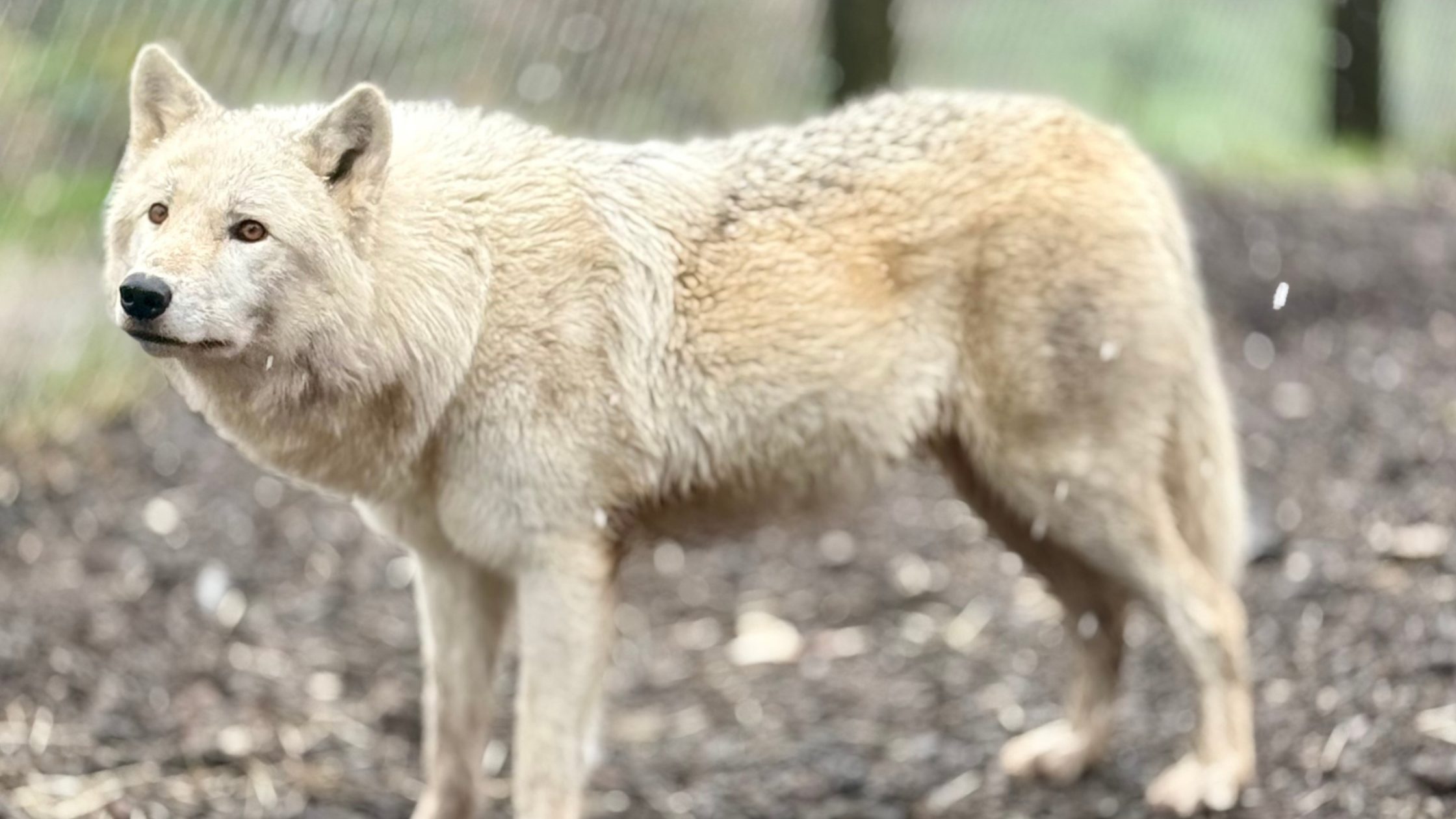
Graham Alexander McQuet, of Grangemouth, appeared before Falkirk Sheriff Court today and was sentenced for failing to provide adequate care for his six wolfdogs and pet cat, causing unnecessary suffering and ultimately leading to the death of one of the wolfdogs.
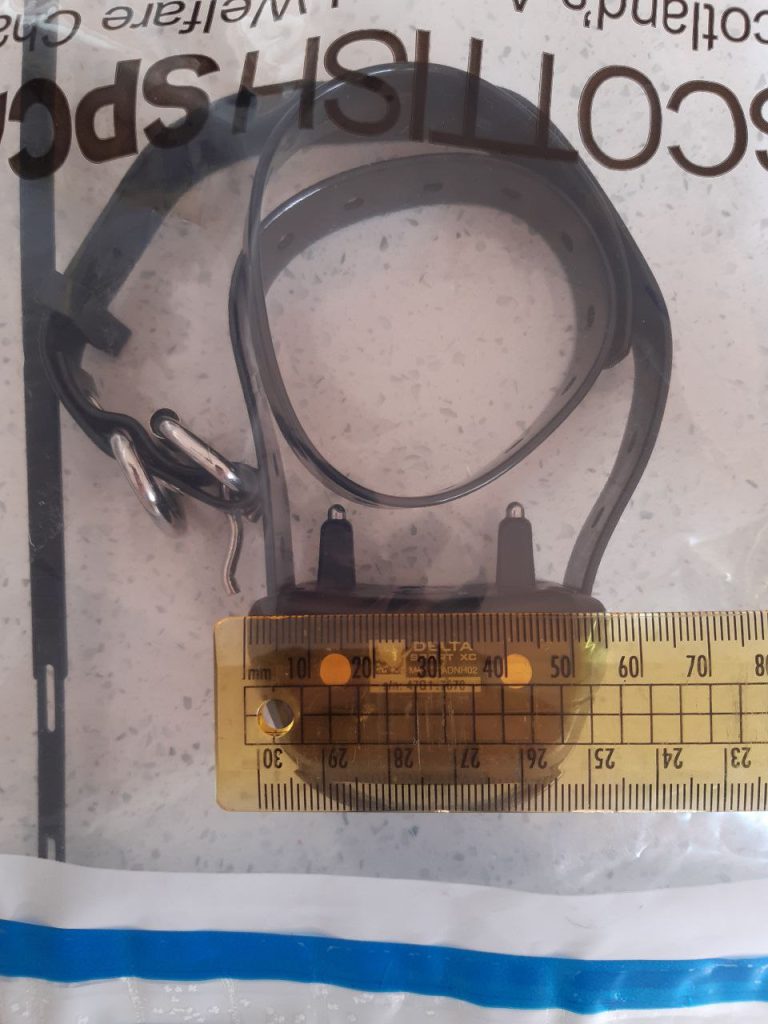
McQuet failed to provide veterinary attention, adequate food, and a suitable environment. One wolfdog also sustained a painful, untreated neck wound from the inappropriate use of a shock collar.
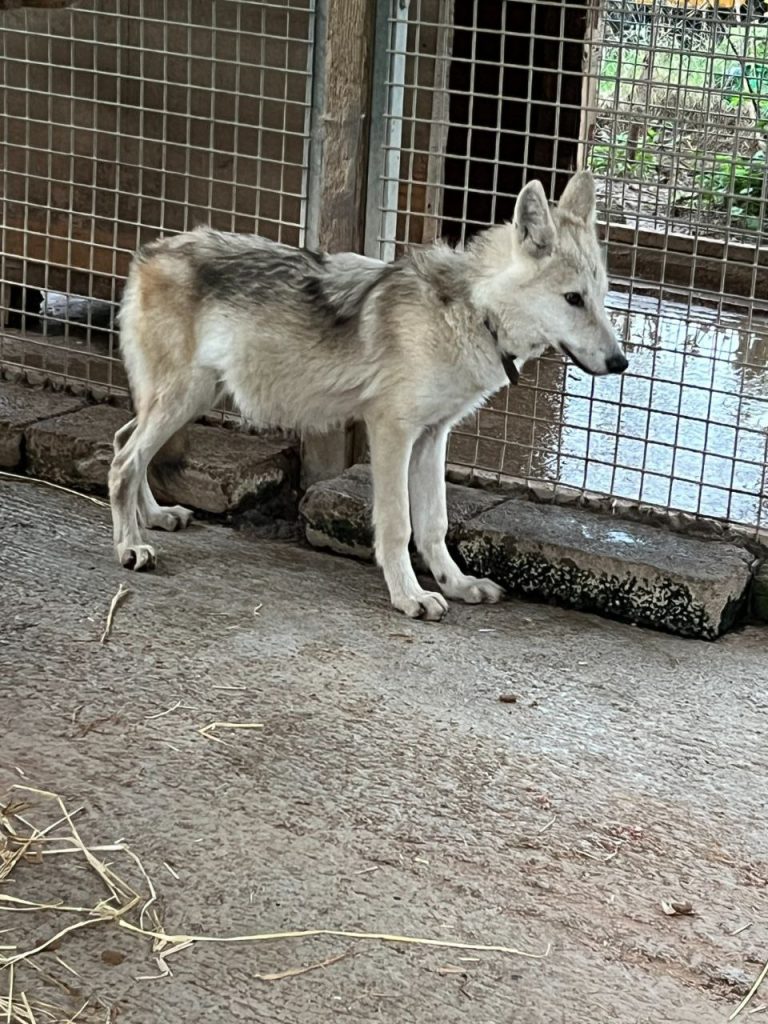
Scottish SPCA Inspector Fiona Thorburn said: “When we attended the property with a Wildlife Crime Officer from Police Scotland, we found all of the wolfdogs were wearing both shock collars and tracking collars and concern was expressed that they appeared to be controlled rather than trained.
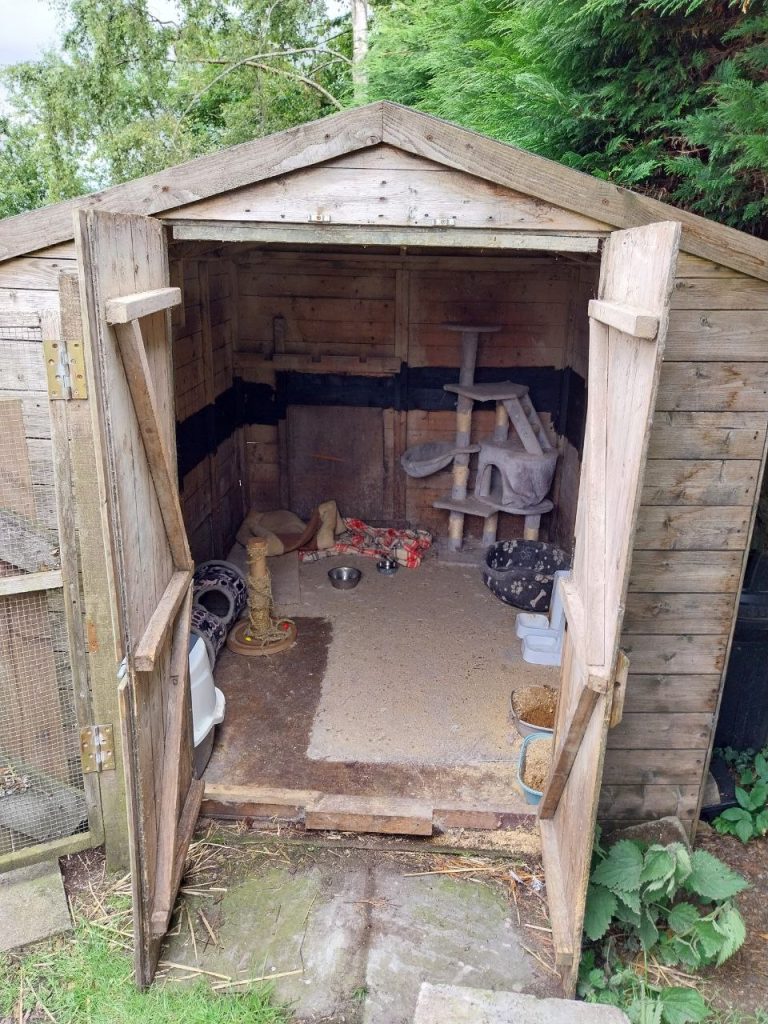
“Provisions for the wolfdogs were found to be inadequate, so a statutory care notice was issued to improve conditions to meet the minimum requirements under the Animal Health and Welfare (Scotland) Act 2006.”
Thorburn added: “The wolfdogs did not look or behave like domesticated animals. Therefore, concerns regarding the legality of these wolfdogs were also passed to local authorities and the Animal and Plant Health Agency to investigate.”
McQuet repeatedly denied entrance to his house to assess the full state of the premises and after sufficient evidence was gathered, a warrant was secured for his property.
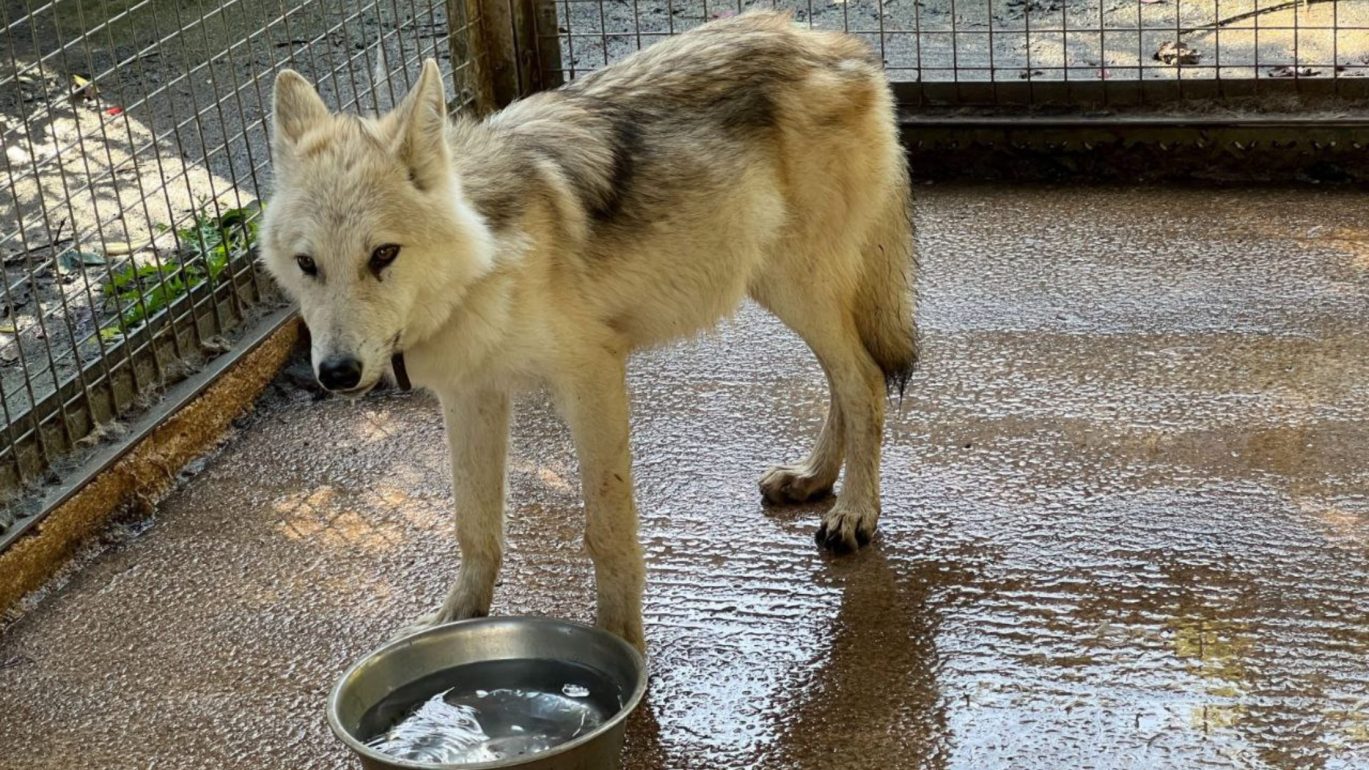
Prior to the execution of this warrant , McQuet rehomed five of the wolfdogs to The Little Zoo in Wiltshire, also home to Wolves of Wiltshire. The Little Zoo is a sanctuary providing homes for exotic pets that are unwanted or require specialist care. The Director, Gary Emery, was horrified at the condition the wolfdogs arrived in, describing them to be “unsocialised, terrified, injured and in poor body condition”.
Thorburn said: “The warrant was executed with assistance from Police Scotland, and the property was found to be in extremely poor condition. McQuet was arrested following the discovery of a cannabis cultivation within the house.
Emaciated body condition and died from malnutrition
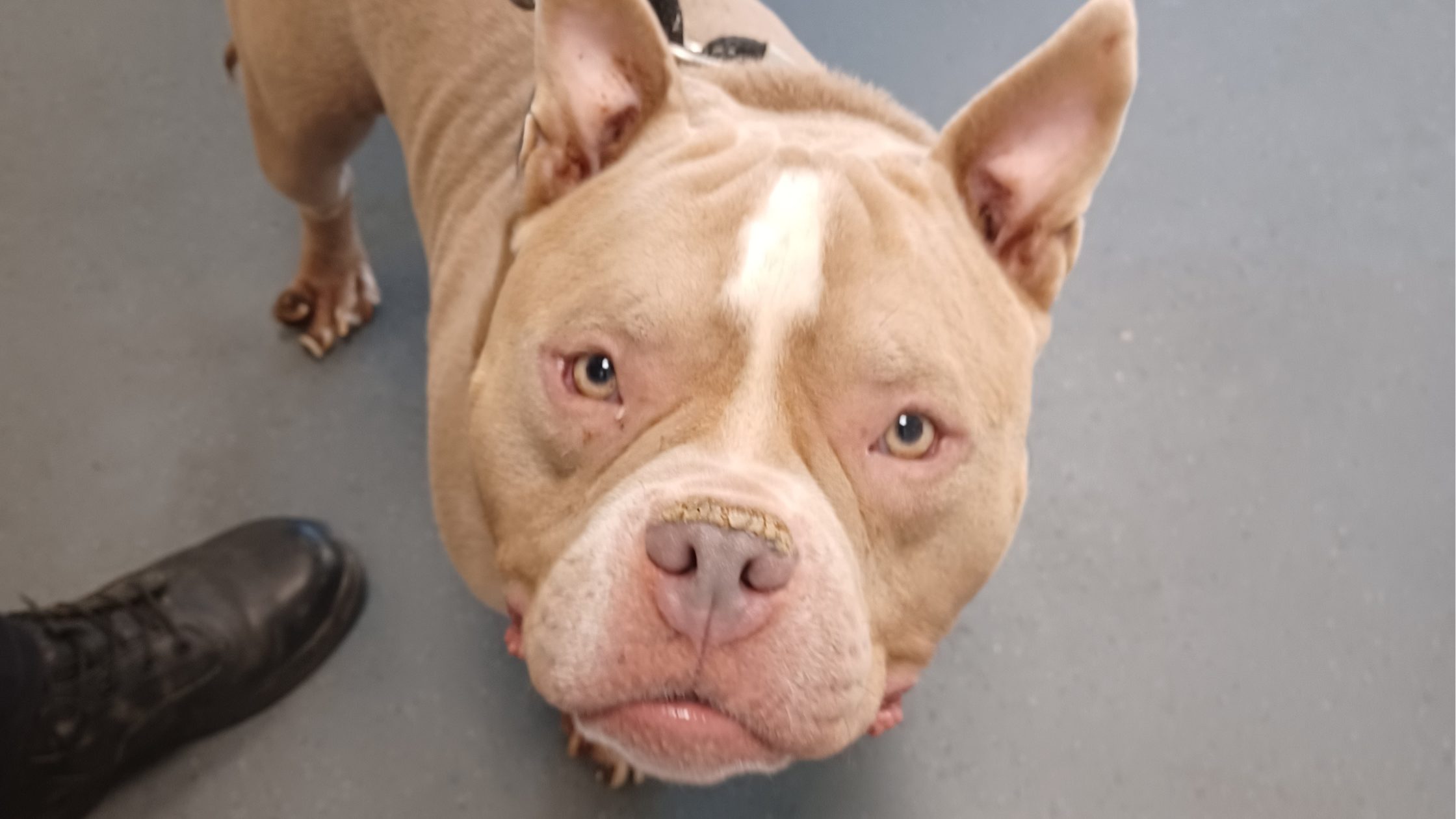
“One remaining wolfdog named Bronn had a painful, inflamed wound caused by his shock collar and needed veterinary treatment. Video footage seized from the property showed McQuet repeatedly shocking his wolfdogs resulting in the dogs yelping in discomfort.
“The body of a deceased wolfdog, Artas, was found within a freezer in the hallway and was missing a leg. Post-mortem examination determined that Artas was in emaciated body condition and died from malnutrition. The loss of his leg had occurred post-mortem, with evidence showing the carcass had been predated by another dog”.
Both Bronn and McQuet’s pet cat were removed and brought into the care of the Scottish SPCA before being rehomed.
Further video evidence seized from the property showed McQuet explain that the wolfdogs had been brought from a Russian Zoo using fake passports. Except for Bronn, he claimed that the wolfdogs were a mixture of first- and second-generation wolfdogs and full Arctic Wolves, meaning they should have been subject to licensing under The Dangerous Wild Animals Act, something the Little Zoo could provide.
Recovered physically but behavioural damage will always remain
Inspector Thorburn added: “The wolfdogs have recovered physically from their neglect but behavioural damage from such poor conditions along with the inappropriate use of shock collars in their training will unfortunately remain. Housing these animals in small domestic kennels, from which they at times escaped causing fear and alarm to nearby residents, was cruel and negligent.
“We are extremely grateful for the intervention and ongoing care provided at The Little Zoo at significant expense to the charity. Without their agreement to take the wolfdogs and ability to provide the expert care needed I fear that the animal’s future would have been at risk. We would also like to thank all witnesses who came forward and gave their time during this process.”
The Scottish SPCA strongly opposes any form of negative reinforcement
The Scottish SPCA actively discourages and strongly opposes any form of punishment or negative reinforcement including the use of electric shock collars, prong collars, spray collars and choke collars. Aids such as these can cause dogs immediate pain and distress as well as leading to long-term fear and anxiety.
The Scottish SPCA promotes training methods which facilitate building a healthy relationship with dogs and their owners. We recommend that owners seek support and professional advice for training, especially in relation to behavioural issues.
Not only are the Scottish SPCA taking a stand against the use of electric collars, but they are calling for a national animal offenders register to be built into existing intelligence systems to support monitoring of individuals convicted of animal cruelty – particularly those banned from owning animals – and flag offenders like McQuet. Importantly, it would also help address the well-established link between those who harm animals and those who go on to harm humans.
To see what other strides the charity is calling for in the name of better animal welfare, read the Society’s full manifesto.
To report any act of cruelty, visit our Contact Us page.